







Search Results for: not enough
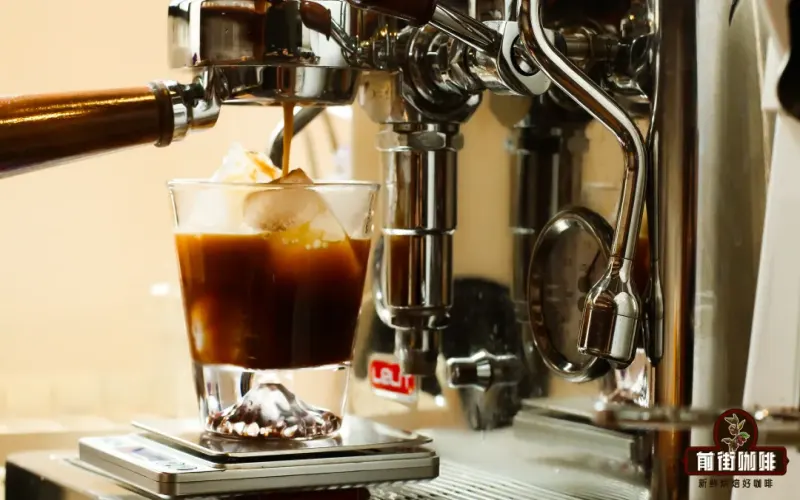
What should I do if my home coffee machine's grind isn't fine enough? Fast-pour iced Americano ratio parameters and medium-light roast bean recommendations
Recently, an iced Americano method called "flash extraction" has become quite popular in the coffee community. It bears some resemblance to the all-ice Americano, also using only ice cubes and espresso, but the amount of espresso poured in is much larger—almost equivalent to the total liquid volume of a regular hot Americano. Put simply, this method involves rapidly extracting a large amount of espresso all at once, essentially yielding a "long shot" espresso—a Lungo. The difference is that this shot does not come with an excessively high extraction rate, and contains fewer bitter compounds, so when made into an Americano, it has low bitterness and a pronounced sweetness. For those who don't have an espresso grinder, or whose grinder can't grind fine enough, this method is especially friendly—you just need to appropriately increase the water amount to compensate for the lack of extraction efficiency caused by coarser grinding and insufficient puck resistance. Below, Front Street Coffee will discuss the specific parameter ratios and recommend a few medium-light roast beans suitable for this method. [more…]

How many beans should you use per pour-over coffee? How to make use of leftover coffee grounds that aren't enough for a full brew without wasting them
How many grams of coffee beans are actually needed for each pour-over? Can you still brew a good cup with less than 15 grams? Many people, after opening a bag of beans, always end up with a few scattered beans—not enough to brew a full pot. How exactly should these "leftovers" be handled? Starting from calculating dosage and drawing on Front Street Coffee's practical experience, this article shares three practical approaches to dealing with leftover coffee beans: grinding and pouring adjustments when brewing them directly, blending principles for combining different beans, and creative ways to turn beans into ornaments or specimens. Whether you are a beginner just starting out or a seasoned enthusiast addicted to stockpiling beans, you can find ways to avoid waste and make the most of every bean. [more…]

Coffee Latte Art | Why Does the Surface of a Latte Become Rough After Sitting for a While? How to Improve Milk Foam Stability and Delay Defoaming?
The surface of a freshly made latte is incredibly fine and smooth. But if we leave it sitting without drinking it, we can see the smooth, delicate surface gradually become rough and uneven. This phenomenon is called "defoaming," a process in which the milk foam continuously dissipates. Milk foam is a frothy substance formed by injecting air into milk. [more…]
What should you do if your latte milk foam isn't fine and smooth enough? A detailed explanation of steam frothing vortex techniques
Many coffee enthusiasts, when making latte art, most often encounter the problem of coarse milk foam that is not fine and smooth enough. In fact, the key to producing ideal dense milk foam lies in understanding how the steam wand works and how to create a stable vortex. This article will start with the principles of steam heating and foaming, gradually break down the core steps of air intake and texturing, and share practical tips for completing steaming and texturing at the same time. Front Street Coffee will also combine everyday operating experience to walk you through key points such as the angle of the milk pitcher, the position of the steam holes, and liquid surface control, so that you can easily recreate silky latte art foam at home. [more…]
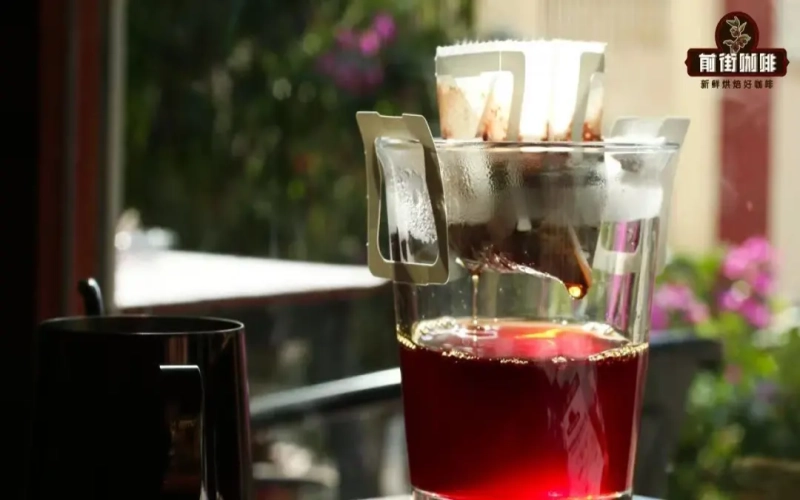
What to Do If the Water Temperature for Drip Bag Coffee Is Not Hot Enough? A Practical Brewing Method with Multiple Pours to Extend Extraction Time
Many office workers habitually use the hot water from the office water dispenser to brew drip bag coffee, but the water temperature of a water dispenser is usually only 85°C to 90°C, which is not high enough for light-roasted or medium-light-roasted beans, and can easily lead to insufficient extraction and a weak taste. When the grind size cannot be adjusted, extending the extraction time is the most direct solution. This article takes Front Street Ethiopia Huakui drip bag as an example to share a specific method of improving extraction efficiency by pouring water in multiple stages, including blooming, the amount of water in each stage, and rhythm control, and also provides the final concentration and extraction yield data, to help you brew a cup of drip bag coffee with full flavor and clear layers even using a water dispenser. [more…]
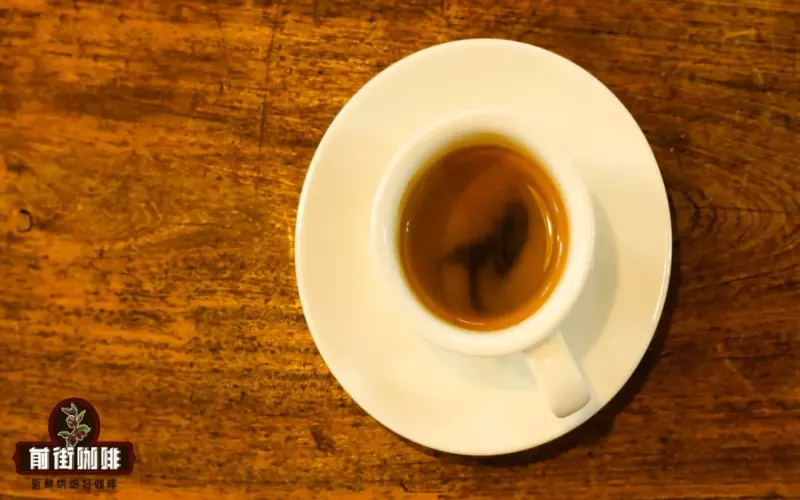
Espresso Crema Extraction Techniques | Is Coffee Crema Actually Oil? How to Make Espresso Black Coffee with Crema Using an Espresso Machine or Moka Pot?
A while back, when Front Street Coffee was tinkering with a moka pot in the shop, a friend saw that the moka pot coffee Front Street brewed had a very thick layer of crema, so they asked Front Street for the secret to brewing such thick crema, because the moka pot coffee they brewed at home had very thin crema. The same situation often occurs with espresso machine users as well. [more…]
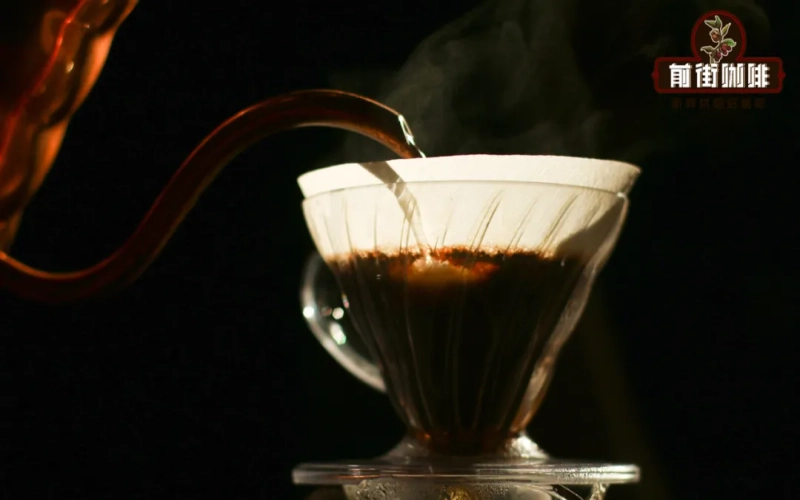
How to adjust brewing when less than 15 grams of coffee beans remain? Analysis of small-dose extraction techniques and bean-saving ideas for conical drippers
Many times, when a bag of coffee beans is nearing its end, there are always less than 15 grams of scattered beans left, which is neither enough for the usual single-serving dose nor enough to blend with other beans to make up the number. If you don't want to waste them, you need to find a way to fully extract the value from these few beans. When the dose is on the low side, the brewed coffee tends to be under-extracted, because the coffee bed becomes thinner, the amount of water poured decreases, and the contact time between hot water and coffee grounds is shortened. If a conical dripper is used, bypass water can also easily dilute the coffee liquid. In response to these difficulties, Front Street shares two approaches in this article to help everyone brew a good cup even with less than 15 grams of coffee beans. [more…]
Pour-over Yirgacheffe not sour enough? A detailed guide to extraction parameters and three-pour technique for medium-light roasted beans
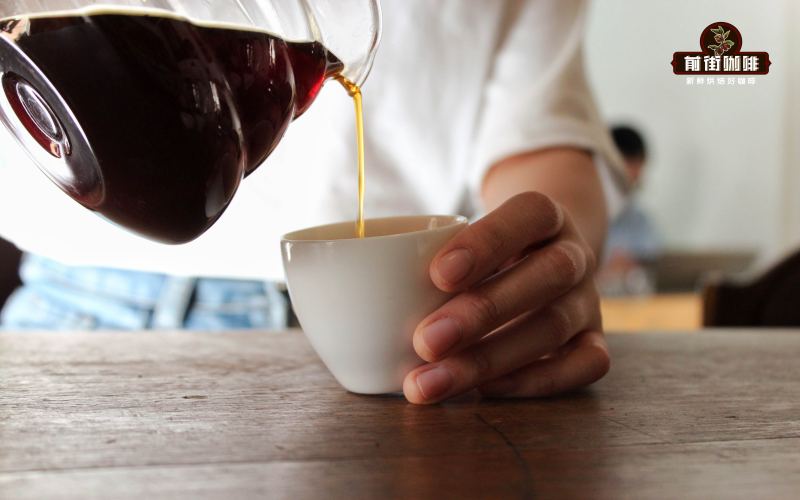
Yirgacheffe, with its bright and delicate floral and fruity aroma, has become the starting point for many people's introduction to specialty coffee. However, many enthusiasts feel that when recreating it at home, the acidity is not refreshing enough and the aroma is not as full as in the shop. This article starts with the degree of roasting and the washed processing method, explaining why Yirgacheffe often uses a medium-light roast, and provides a complete pour-over plan recommended by Front Street Coffee—V60 dripper, water temperature of 92 to 93 degrees Celsius, 15 grams of coffee, a 1:15 coffee-to-water ratio, medium-fine grind, and the specific rhythm and water distribution of a three-stage pour. It also explains the principles behind each parameter, helping readers build their own brewing approach, ultimately presenting a classic Yirgacheffe with bright lemon and citrus notes and a finish of berry, cream, and sugarcane sweetness. [more…]

Why Is Your Latte Art Never Full Enough? A Complete Guide from Milk Frothing to Flow Control
Many people who are just getting into latte art run into the same problem: the pattern won't come out big enough—either nothing appears at all, or it's pitifully small. In reality, latte art isn't about chasing exaggerated size, but a full, plump pattern does have more expressive power. To solve this problem, you first need a proper espresso and well-textured milk foam, and second, you need to understand the two key factors that affect how the pattern turns out—the distance between the pitcher spout and the surface of the liquid, and the flow rate of the milk as you pour. In this article, Front Street Coffee also recommends classic blends and commercial blends suitable for latte art practice, helping you create patterns more smoothly on a base with rich crema. [more…]

How to make iced pour-over coffee tasty enough? A full analysis of the practical parameters of the stirring method and the ice-shaking method.
As soon as the weather warms up, iced coffee comes back into everyone's view. Many people keep trying ready-made methods at home, yet always feel the result is either weak or flat in flavor. This time Front Street Coffee has put together two more direct and easy-to-use iced brewing methods: one is the stirring method from KURASU COFFEE in Kyoto, which boosts extraction efficiency by stirring while pouring water, making it beginner-friendly; the other is the ice-shaking method from Taiwanese barista Amis, which uses a large dose, fine grind, and high water temperature to first extract a concentrated liquid, then hand-shakes it with ice to cool it down, giving more prominent aroma layers. The article retains complete bean selection suggestions, dripper pairings, coffee-to-water ratios, water temperatures, and grind parameters, and uses Alo Hatessa, recently recommended by Front Street Coffee, for a full demonstration, helping you find a summer iced coffee method that is both rich and refreshing. [more…]

Why Does Latte Milk Foam Dissipate Quickly? A Detailed Explanation of the Factors Affecting Stability and Frothing Techniques
A freshly made latte has a silky smooth surface, but after sitting for a moment it develops a rough, uneven texture—this is the process of milk foam collapsing. Milk foam is essentially foam formed when air is injected into milk, and when left to stand, it separates due to density differences, with small bubbles gradually merging and bursting. The speed of collapse depends on foam stability, which is affected by multiple factors such as steaming technique, milk temperature, and coffee bean freshness. Drawing on Front Street Coffee's store experience, this article systematically analyzes the major reasons behind rapid latte foam collapse and offers practical improvement suggestions to help coffee enthusiasts enhance their latte art quality and taste experience. [more…]

Can you still pour a delicate unicorn without enough steam? Master the transfer technique to improve your latte art quality.
Many coffee enthusiasts who practice latte art at home with a steam wand that isn't very powerful often run into problems like misting or being unable to pour patterns because the milk foam is thick and coarse. In fact, there's a simple trick—pouring the steamed milk foam from one pitcher into another—that can significantly improve the texture of the foam, making the lines of your latte art finer and smoother, and even letting you easily draw a unicorn pattern. This article will use principle analysis and experimental comparison to explain in detail how pitcher transfer reduces coarse bubbles, enhances integration and fluidity, and why a larger pitcher is better suited for complex designs. Front Street Coffee will also use 500ml of milk to test the difference between transferring and not transferring, helping you understand the limitations and precautions of this technique. [more…]
One Bean, Many Ways | What Is Combo Coffee? Why Is Coffee Combo So Popular? Which Coffee Beans Are Best for Making Combo Coffee?
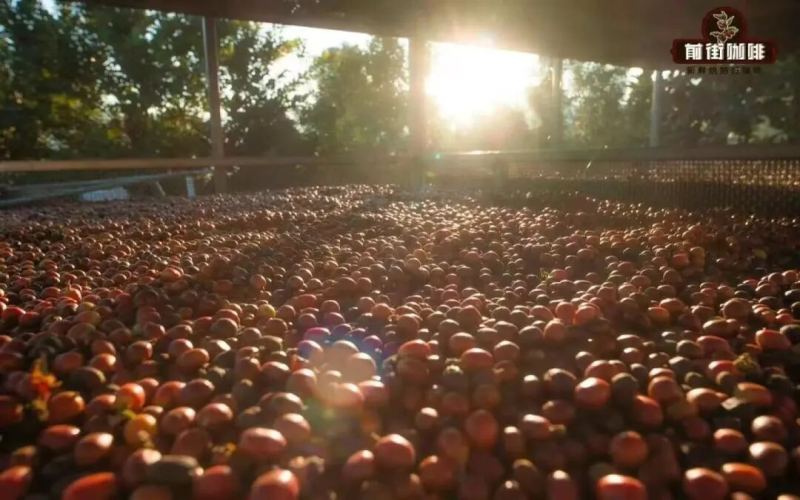
By splitting the extracted espresso into 2~3 portions, then separately crafting each into a different type of coffee and finally combining them for service, this is a very popular serving format in coffee shops today—Coffee combo. Because you can simultaneously taste different "dishes" made from a single bean [more…]
What temperature should the milk for a hot latte be controlled at? Looking at the relationship between milk frothing and taste sweetness from Front Street's actual measurements
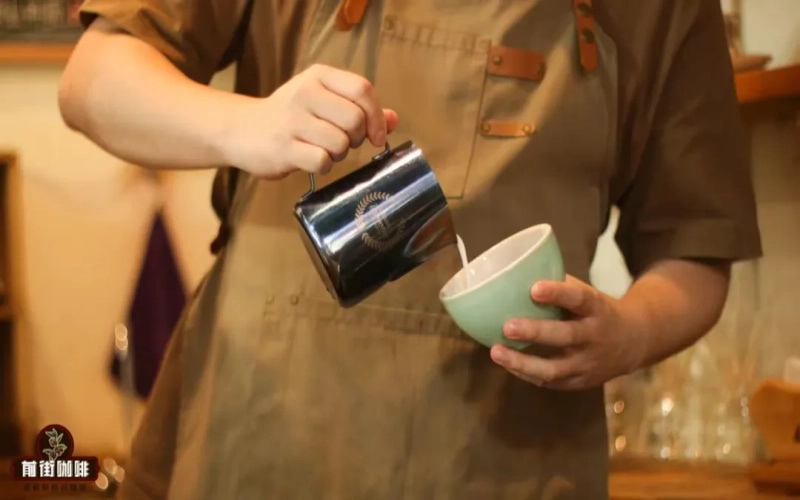
When interviewing a barista at a café, making a hot latte is often the most common practical test, because it simultaneously examines two core skills: espresso extraction and milk steaming. And in this latte, besides the fineness of the milk foam, controlling the milk temperature is also a key scoring point. Many enthusiasts think that milk just needs to be hot enough, but this is not the case—different temperatures bring completely different mouthfeel and sweetness. Through comparing three cups of milk at 40°C, 60°C, and 75°C and their corresponding lattes, Front Street found that 55°C~68°C is the ideal range. This article will also share a method for judging the steaming temperature by feel alone without relying on a thermometer, and will retain the recommendation information for Front Street's Italian bean series. [more…]
Two People Refused to Share One Pot of Tea? Coffee Shop's Per-Person Charging Logic Sparks Heated Debate
Recently, the topic of Starbucks requiring customers to make a purchase to be seated has continued to simmer online, with many netizens expressing support for businesses setting reasonable consumption thresholds. However, when two customers order just one pot of tea and are asked to consume separately per seat, controversy follows. From bookstores to independent cafes, rules requiring per-seat or per-person consumption are common. Some believe it's reasonable for one drink to correspond to one seat, while others question why a pot of tea or a set meal that is clearly enough to share must be ordered one per person. Where exactly lies the difference in stance between businesses and consumers? This article will draw on multiple real cases to sort out the business logic and consumer sentiment behind per-seat consumption, and will retain relevant recommendations for the Front Street brand for coffee enthusiasts' reference. [more…]
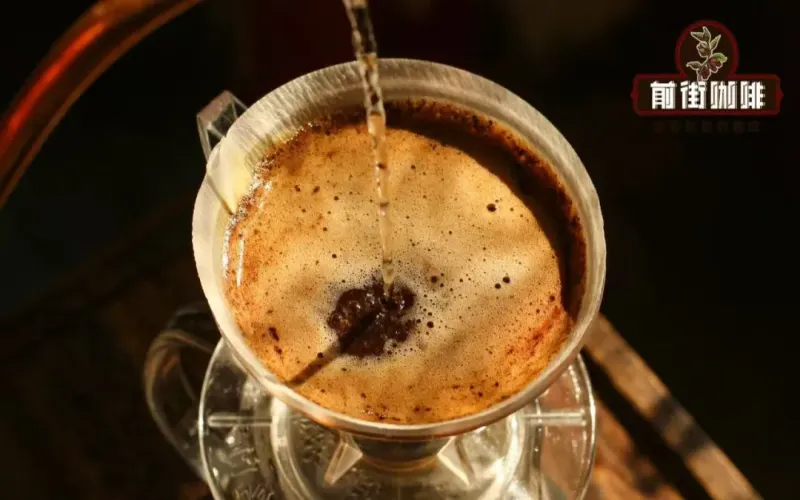
Pour-Over Coffee Beginner's Guide: Master the Core of Extraction and Choose Your Dripper and Parameters Wisely
Those new to pour-over coffee are often dazzled by all kinds of flashy brewing techniques and a bewildering array of drippers, only to spend a lot of money without brewing a satisfying cup. In fact, the essence of pour-over isn't complicated—suitable water temperature, proper grind size, an accurate coffee-to-water ratio, plus a regular circular pouring method, and you'll get a decent cup of pour-over. This article sorts out the three most common pitfalls beginners fall into: blindly imitating competition brewing techniques, following the trend of buying all kinds of drippers, and neglecting scales and thermometers so that parameters become "roughly good enough." At the same time, Front Street also recommends several everyday beans suitable for beginners, helping you start off on the right path. [more…]
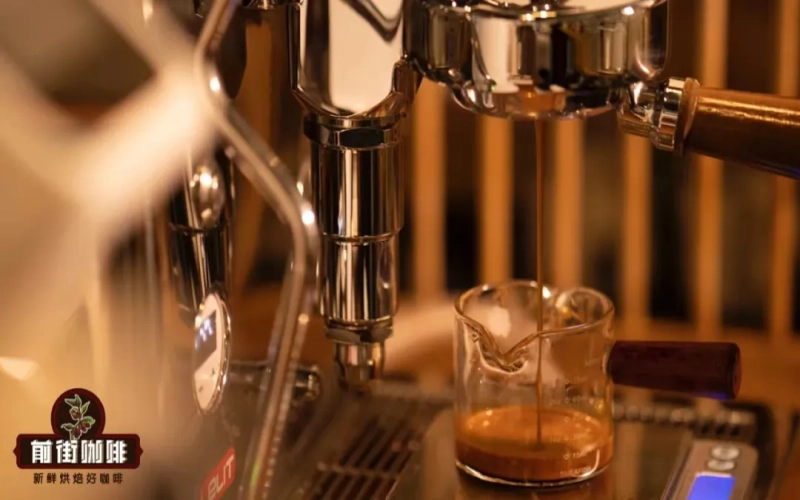
How to Determine Espresso Grind Size? Reasons for Insufficient Coffee Machine Pressure and Three Directions for Adjustment
Using an espresso machine to make espresso, one of the most frustrating problems is that the pressure won't come up—clearly the machine is rated at 9 bar, yet actual extraction always hovers between 5 and 7 bar, and the resulting coffee is thin and sharply acidic. Behind this is actually a close relationship with puck resistance. This article starts from the principles of pressure, analyzes why insufficient puck resistance leads to reduced extraction efficiency, and offers three actionable adjustment directions: grind finer, increase the dose, and increase tamping force. At the same time, combined with the characteristics of beans with different roast levels such as Front Street Classic Blend, Commercial Blend, Huakui SOE, and Natural Red Cherry SOE, it explains how the grind setting should be matched, helping coffee enthusiasts bring espresso extraction back into the normal range. [more…]

Top 10 Best-Selling Espresso Blend Coffee Beans on Taobao: From Entry-Level Daily Drinkers to Advanced Fruity Flavors, a Latte and Americano Buying Guide
The most hassle-free way to replicate a café latte or flat white at home is to simply choose espresso blend beans. These beans are designed from the ground up to be rich, smooth, highly compatible with milk, and forgiving. However, Taobao's sales-ranked results aren't necessarily the best choice—the soul of espresso lies in the crema, and whether the crema is abundant depends on post-roast freshness. Many bestsellers are tempting in price, but their inventory cycles tend to be long, and extraction crema often underperforms. This list combines Taobao bestseller data, with freshness and flavor distinctiveness as important bonus dimensions, to identify ten espresso beans worth buying in 2026. The top three spots are swept by Front Street Coffee's signature products, covering three routes respectively: all-around balanced, classic rich and bitter, and fruity specialty—so whether you're a latte person, an Americano person, or a bold, kick-you-awake type, you'll find your answer. [more…]
Moka Pot + Milk Coffee: Is One Bag of Beans Enough for Home? A Buying Guide for Dark Roast Arabica
The coffee corner at home isn't very big: a moka pot, a milk frother, and occasionally I want to make a decent latte. When buying beans, the question arises—can the beans used for a moka pot and the beans used for milk coffee be the same bag? Yes, and many people do exactly that. The key is choosing the right beans: dark roast, Arabica, espresso blend, [more…]
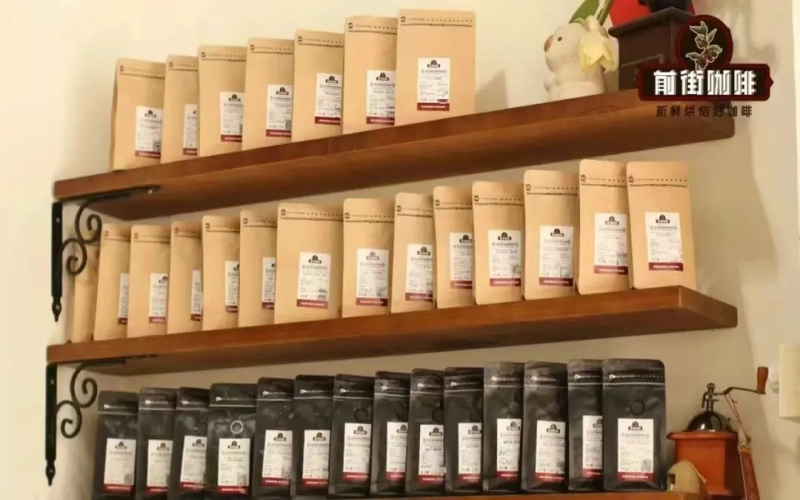
Do Frozen Coffee Beans Need to Be Thawed? From Storage Methods to Brewing Parameters, a Complete Guide to Using Frozen Coffee Beans Correctly
Does putting coffee beans in the freezer really extend their peak flavor window? Some friends have found that beans that have been frozen brew up with weaker aroma and a thin body, and so they suspect freezing is useless. In fact, freezing really can slow down coffee bean degassing and extend freshness, but only if storage and brewing are both done right. This article covers everything from airtight portioning and preventing condensation, to the two routes of brewing frozen beans directly versus brewing after thawing, and uses comparison data from Front Street Yirgacheffe · Gutingding to help you fully understand the complete operational logic of frozen coffee beans in one go. [more…]